

Table of Contents
INTRODUCTION:
The Adolescent Corner in the Ghana Health Service refers to the Adolescent and Youth Friendly Health Services (AYFHS) program. It aims to provide adolescents with health services and education in a safe and confidential environment.
These services include sexual and reproductive health education, family planning, treatment for STIs and menstrual problems, and general health care tailored for young people aged 10 to 24. While the term “corner” is used to designate physical spaces, it is evolving to encompass broader “service delivery points” which can be dedicated areas or integrated services within a facility, as well as outreach services.
BACKGROUND:
According to the 2014 Ghana Demographic and Health Survey (GDS, 2014), the country is characterized by a young population with 14% and 13% in the 5-9 and 10-14 age groups, respectively. Adolescents aged 10-19 and young adults aged 20-24 together constitute 29.3% of Ghana’s population (21.9% and 7.4%, respectively) and face particular challenges related to sexual and reproductive health, HIV and STIs, nutrition, mental health, substance use, non-communicable diseases, intentional and unintentional injuries, various forms of violence, inequalities and risks and vulnerabilities linked with child marriage, child labor, trafficking as well as disabilities.
OUR STORY:
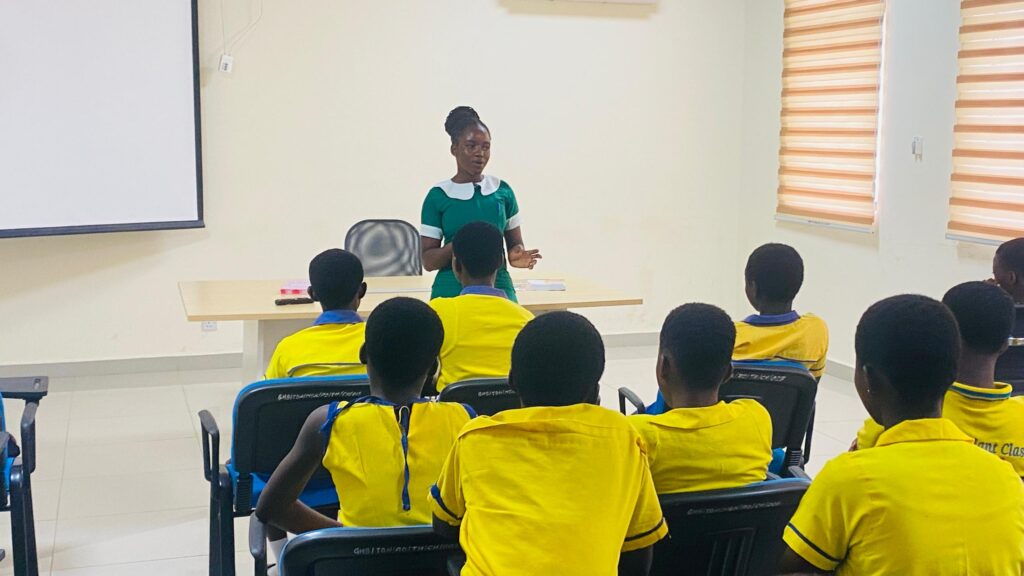
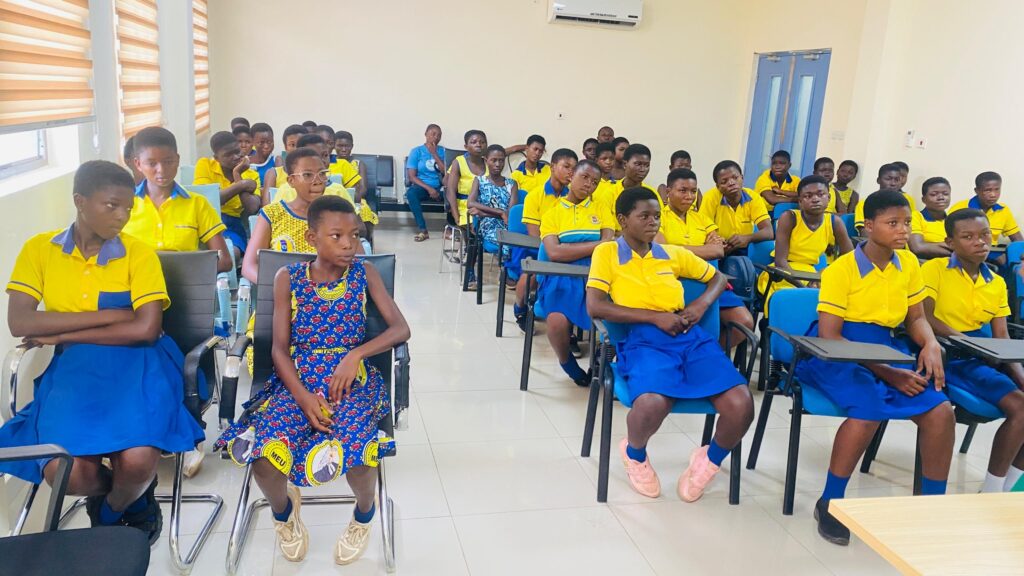
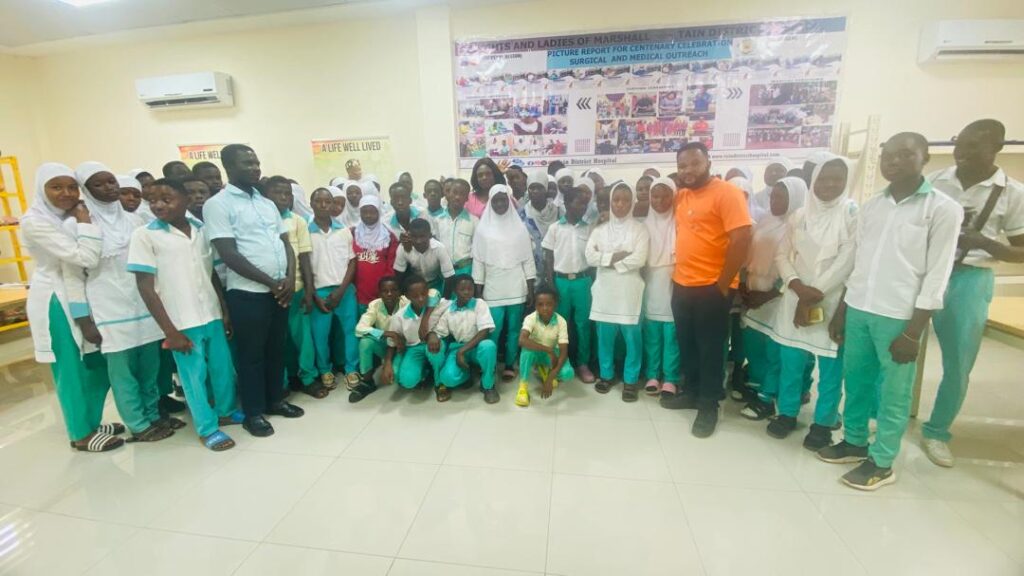
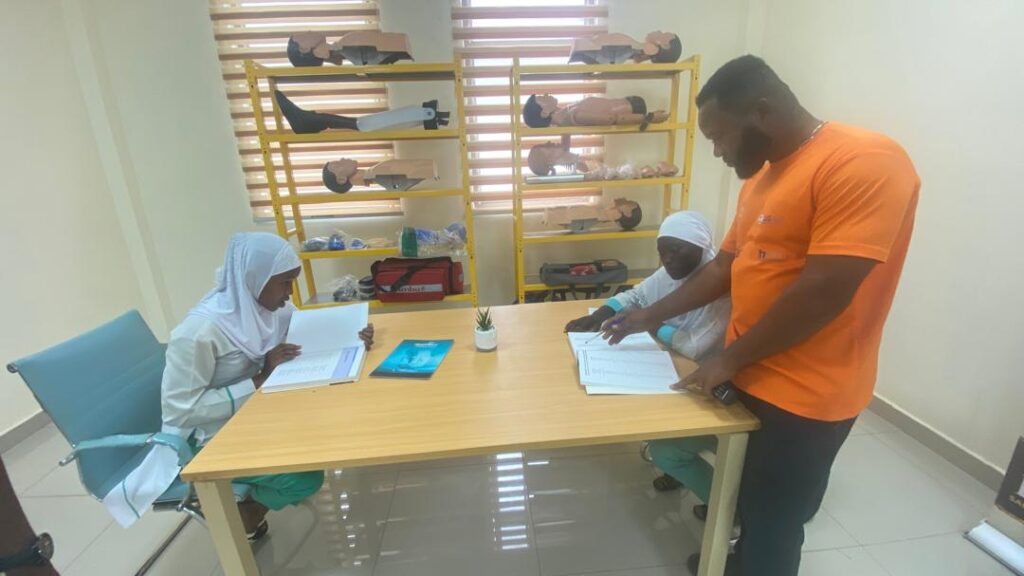
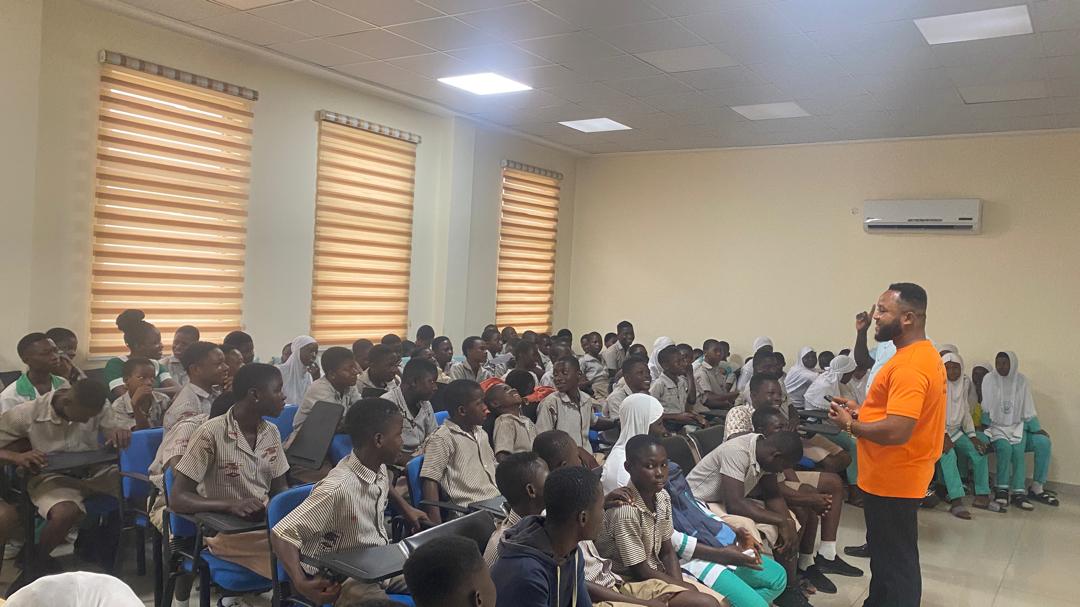
The facility has dedicated its conference hall, library, and a unit for private counselling sessions with adolescents, the identification of adolescent health problems, rendering family planning activities to consented adolescents, and the systematic reporting of cases that affect adolescent health. This is done every Friday.
One-On-One Counselling With Adolescents
To provide a safe, confidential space for adolescents to discuss issues relating to adolescent health, emotional challenges, and social problems, facilitating early intervention and support.
Activities Conducted:
• Scheduling and use of the hospital’s corner:
o Regular appointment and scheduling of adolescents to the corner through the hospital’s conference hall and library has given the Public health personnel the chance to have one-on-one counselling sessions with adolescents, videos concerning adolescent health are also played to provide room for learning, these efforts are to encourage adolescents to seek supportive care and private counselling services.
• Counselling Sessions:
o Personalized sessions focusing on mental health, sexual and reproductive health, substance abuse, nutrition, and peer relationships are done in the hospital’s library, where adolescents are given the chance to meet the health practitioners and discuss issues surrounding the aforementioned areas.
• Confidentiality Assurance:
o Emphasizing privacy to foster trust and openness, each adolescent is assigned to a mentor on their own table in the library who provides a safe and confidential space to discuss issues concerning their health, as well as related books to encourage the adolescent not to be discouraged by certain societal acts they happen to encounter.
Outcomes:
The following has been noticed as the hospital collaborated with the Ghana Education Service through the girl child coordinator
• Increased engagement of adolescents in health discussions.
• Improved emotional well-being and awareness of health issues.
• Enhanced trust between adolescents and healthcare providers.
• Fostering collaboration between GES and the Hospital
IDENTIFICATION OF ADOLESCENT HEALTH PROBLEMS:
To proactively detect health issues among adolescents that require medical or psychological intervention, all adolescents are educated on how to relay their health challenges to the mentors assigned to address them. Any adolescent with a health challenge identified is quickly referred to the medical officer for further examination and treatment
Activities Conducted:
• Screening and Assessments:
o Routine health screenings during counselling and clinic visits, including mental health assessments, sexual health screenings, and nutritional evaluations.
• Use of Standardized Tools:
o Implementation of adolescent checklists to identify common adolescent health problems such as depression, anxiety, sexually transmitted infections (STIs), and nutritional deficiencies has been the hospital’s standard in the adolescent corner.
Commonly Identified Problems:
• Mental health issues: depression, anxiety, stress.
• Sexual and reproductive health concerns: early pregnancies, STIs, contraceptive needs.
• Nutritional problems: anemia, obesity, malnutrition.
• Substance abuse and risky behaviors.
REPORTING OF IDENTIFIED CASES
To ensure appropriate follow-up and referral, as well as to inform program planning and resource allocation, the following have been practiced for the adolescent corner.
• Case Documentation: Maintaining detailed records of all cases identified, including demographics, nature of the problem, and recommended actions.
• Referral Systems: Referring cases requiring specialized care to relevant health services or mental health professionals.
• Data Analysis and Reporting: Compiling monthly or quarterly reports to monitor trends, evaluate intervention effectiveness, and inform stakeholders.
Reporting Framework:
• Use of standardized reporting forms.
• Confidential handling of personal data.
• Regular submission to health authorities and adolescent health programs.
INTERVENTIONAL STRATEGIES
Nutritional/dietary counselling for adolescents identified with anemia, encouraging the use of iron folic acid medication and dependence on foods that would provide a balanced meal with high amounts of iron, especially during periods of menstruation, is provided by the nutritionist/dietitian.
Videos of shared experiences of adolescents and the repercussions of early sexual activities are shown to deter them and minimize such practices. These videos also highlight abstinence, responsible sexual life, and the use of family planning methods to prevent sexually transmitted diseases and early pregnancies.
Hygienic practices during adolescence and during menstruation are much emphasized. Adolescents are also taught practical ways of the use of sanitary pads and handling blood, as well as report such cases to their parents or guardians when seen for the first time.
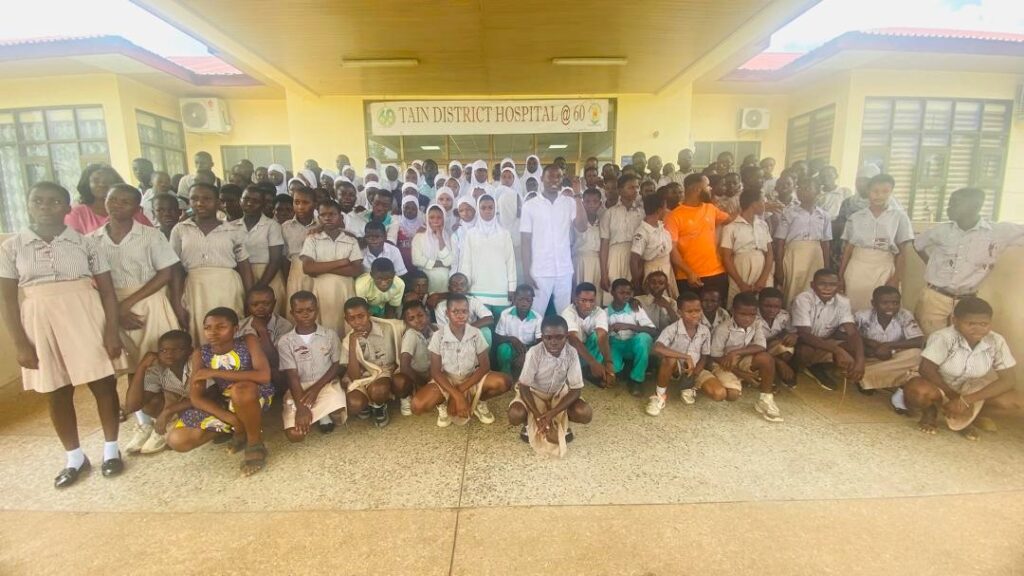
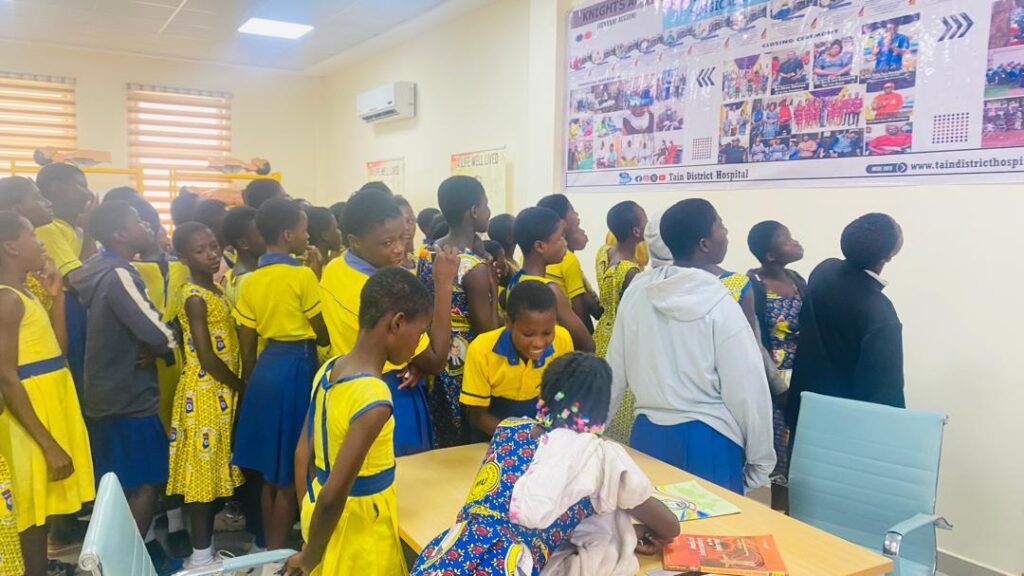
As part of the hospital’s 60th Anniversary celebration, the hospital’s library has been opened and made accessible to adolescents in Nsawkaw and its environs to patronize at their leisure times. This is to help curb teenage pregnancies, discourage young girls and boys from engaging with bad peers, and allow them to make good use of their time instead of spending such precious time with friends.
CONCLUSION
Facility-based adolescent activities, including personalized counselling, health problem identification, and systematic case reporting, are essential components of adolescent healthcare services. These activities facilitate early detection of health issues, promote healthy behaviors, and improve overall adolescent health outcomes. Continued investment in training, resource allocation, and data management is vital to sustain and enhance these efforts.
Article by:
Mr Alhassan Danaa
Senior Nutrition Officer